

Summary: In 2026, hardware will be ubiquitous in many areas. This article highlights six particularly active sectors where more and more companies are developing hardware products: Industry, Fintech, Medtech, Robotics, Edtech, and Leisuretech. These sectors have one thing in common: applications that require reliable, secure, and industrializable solutions that go far beyond software alone.
For years, innovation has mainly been focused on software. Applications that are quick to deploy, frequent iterations, and the promise of constant agility.
But for some time now, a fundamental shift has been taking place: a return to physical products.
Connected objects, payment terminals, medical devices, robots, educational tools. More and more companies are choosing to develop their own hardware products. Not out of nostalgia, but because certain uses cannot be satisfied by a screen alone.
In 2026, this momentum will accelerate. And among the diverse range of markets involved, certain sectors clearly stand out due to the maturity and recurrence of their hardware projects.
Why companies are returning to hardware
Developing a hardware product is rarely a trivial choice.
It is often a defining decision, sometimes even a founding one.
An object allows you to regain control over the user experience. It inspires confidence. It secures sensitive uses. It embodies a promise where software alone can reach its limits.
But hardware is different. Every choice is permanent. Every component, every material, every design detail has an impact on the final product. While software can evolve quickly, physical products require rigor, foresight, and industrial vision.
This is precisely why companies venturing into hardware are now looking for industrial partners capable of supporting the project in its entirety, from concept to production.

Key sectors for developing hardware products in 2026
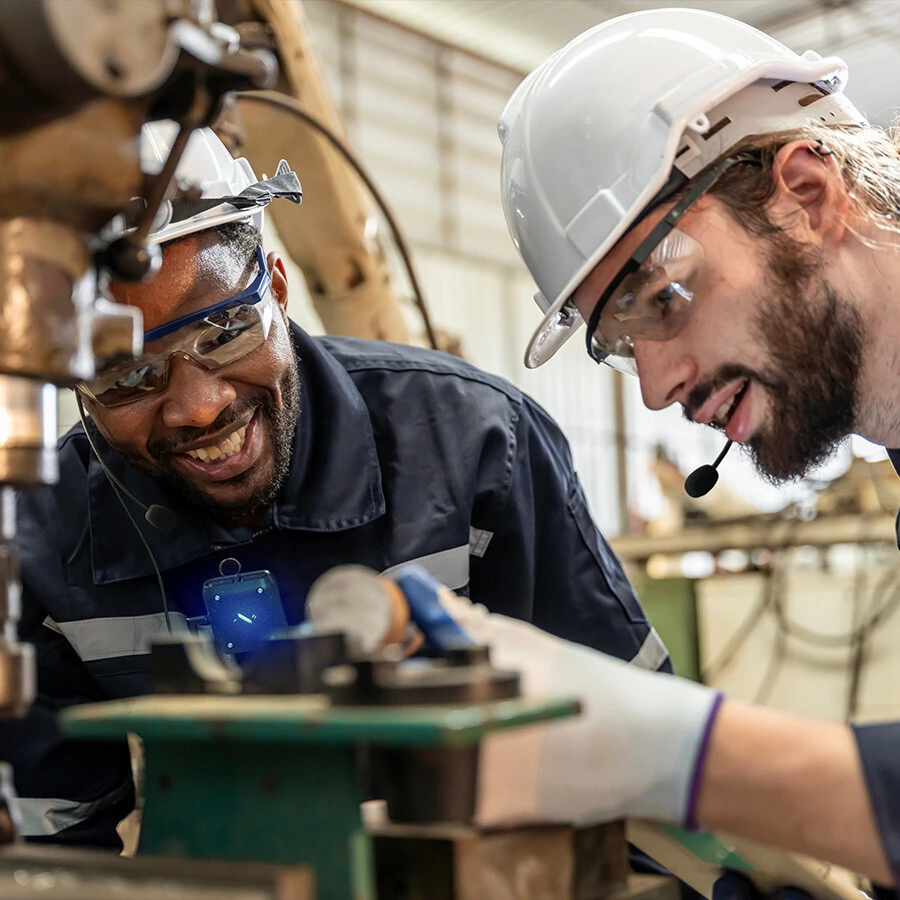
Industry: designing robust and durable electronic products
In industry, hardware remains central. But it is undergoing profound changes.
Products are becoming smarter, more connected, and more integrated with existing systems. Sensors, embedded systems, operator interfaces, industrial connected objects. Uses are multiplying, but constraints remain strong.
An industrial product must function in demanding environments. Shock, vibration, temperature, humidity, long usage cycles. Mechanical design is inseparable from electronics. Reliability is not an option.
To develop an industrial hardware product, you need to think about field conditions, maintenance, and durability right from the earliest stages of design.
Are you developing an industrial electronic product?
Robustness, reliability, field constraints: Discover how Altyor supports manufacturers in the design and production of solutions built to last.
Fintech: making finance tangible and secure
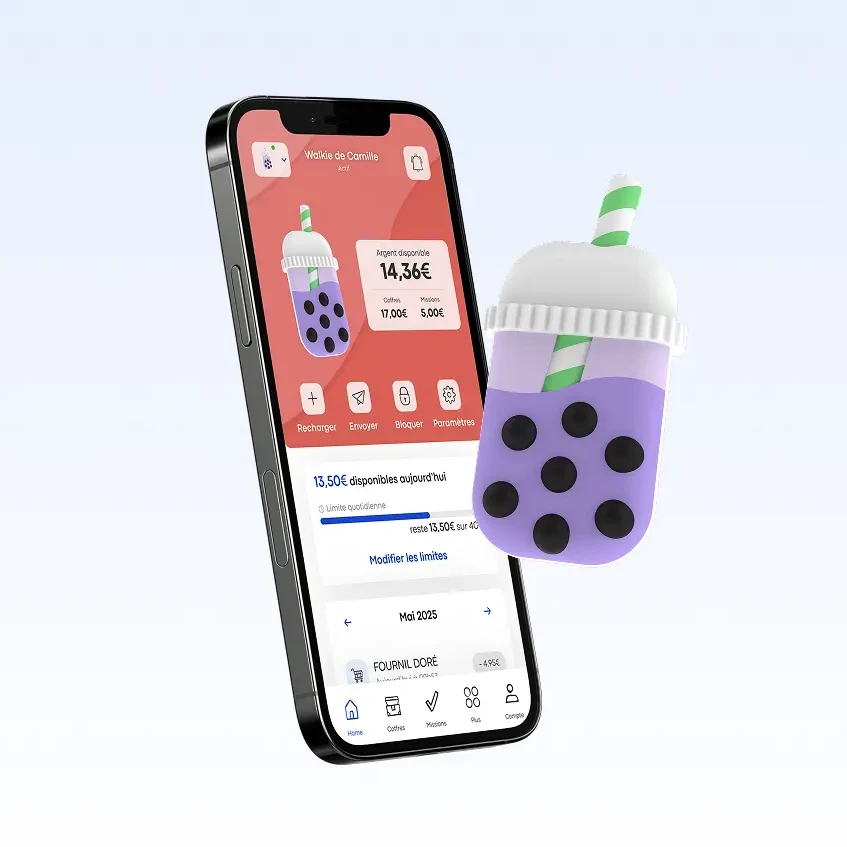
Fintech first developed in software. But today, it is increasingly embodied in objects.
Payment terminals, authentication devices, physical wallets, embedded security solutions. In a world where trust is paramount, hardware becomes a key lever.
The device provides reassurance and security. It allows certain critical functions to be removed from the cloud and anchored in a physical medium. The design must incorporate stringent requirements in terms of security, certification, ergonomics, and robustness.
To develop a hardware fintech product, you need to strike a balance between innovative use, regulatory constraints, and industrial requirements.
Are you developing a fintech solution that requires a physical object?
When finance becomes tangible, design leaves no room for approximation.
Discover how Altyor supports hardware fintech projects.
Medtech: innovating under constraints, without compromise
In Medtech, hardware is at the heart of the product. And every detail matters.
Medical devices, diagnostic equipment, connected monitoring solutions. Innovation takes place within a strict framework, with high standards of safety, traceability, and reliability.
Development cycles are longer. Testing and validation phases are essential. But it is precisely this level of rigor that guarantees the quality and relevance of the final product.
To develop a hardware product in Medtech is to accept taking the time necessary to design a reliable, compliant, and durable device.
Are you working on an electronic medical device?
From design to industrialization,
Altyor supports medtech projects with method, rigor, and regulatory compliance.

Robotics: when intelligence becomes physical
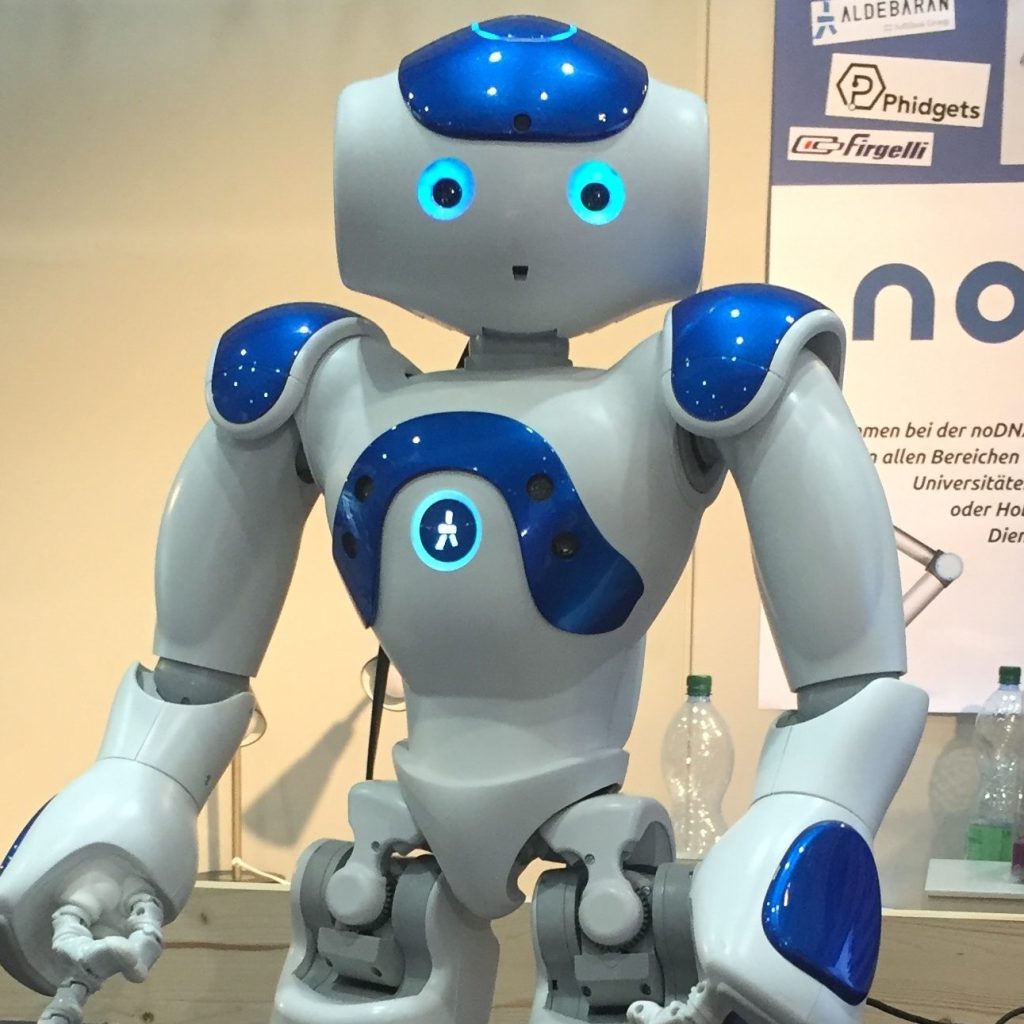
Robotics is one of the most demanding sectors in terms of hardware.
A robot is not just software or artificial intelligence. It is precision mechanics, reliable embedded electronics, and sophisticated integration of sensors, actuators, and control systems.
Every design choice has a direct impact on performance, safety, and maintainability. The product must function in the real world, sometimes under complex conditions, with no margin for error.
To develop a robotic product, you have to think about the system first and foremost, integrating industrial constraints from the outset.
Are you developing a robotic system or an embedded product?
Electronics, mechanics, integration: Discover how Altyor supports robotic projects from design to production.
Edtech: learning through objects
In Edtech, hardware makes it possible to reintroduce movement, experimentation, and physical interaction into learning pathways.
Connected educational objects, educational kits, interactive devices. Objects become learning aids in their own right, at the intersection of technology and education.
These products must be intuitive, robust, and designed for repeated use. Design, ergonomics, and reliability are as important as technological performance.
To develop an Edtech product is to design a complete experience, tailored to end users.
Are you designing an electronic educational product?
Educational objects, connected tools, interactive experiences: Discover how Altyor supports Edtech projects focused on usability and sustainability.

Leisuretech: creating emotion through technology
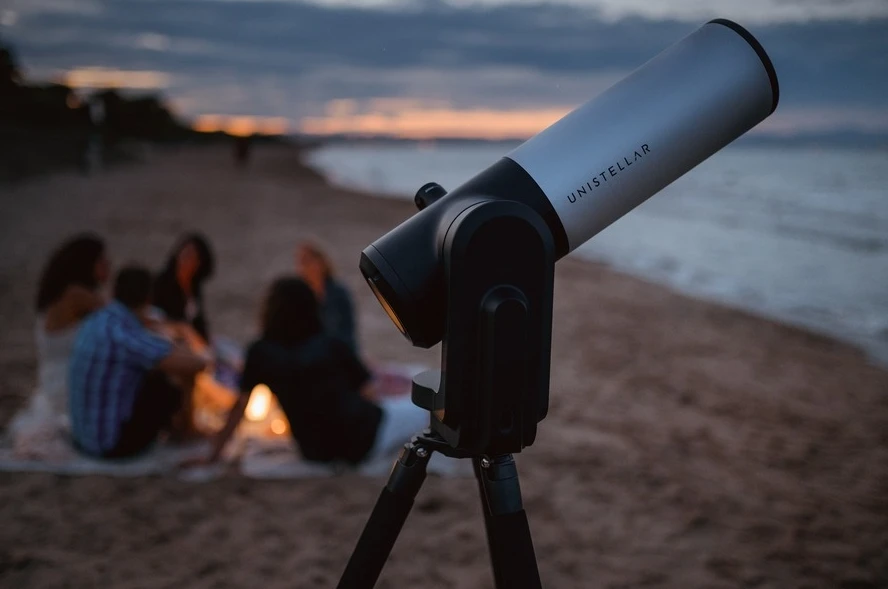
In Leisuretech, hardware often serves to enhance emotion and experience.
Games, connected leisure devices, innovative consumer electronics. Technology must take a back seat to usability. Users should perceive only simplicity and enjoyment.
But this simplicity is based on high industrial standards. Reliability, safety, mass production, cost control. A successful leisuretech product is one that works perfectly, without ever betraying its complexity.
Are you developing an electronic product focused on user experience?
Behind a seamless experience lies a demanding industrial requirement.
Discover how Altyor supports Leisuretech projects.
From code line to production line
Moving from code to object is not insignificant.
Hardware imposes a new grammar: mechanical design, prototyping, testing, certification, production.
Where an application could evolve continuously, a physical product requires rigor, foresight, and longer development cycles. Every decision affects the rest of the project.
This change of pace marks a turning point. In many sectors, companies are fully entering the industrial world, with its constraints but also with a strong promise: to create concrete, useful, and sustainable products.

Industrial manufacturer for
over 25 years

+ More than 700,000 products/year
including 150,000 in France

Responsible manufacturing
Designing and manufacturing a hardware product: an industrial adventure
Developing a hardware product is a demanding undertaking. It requires a clear vision, solid technical expertise, and the ability to commit to the long term.
At Altyor, this adventure is built alongside companies. From idea to product. From prototype to production. With method, high standards, and industrial commitment.
Because a good hardware product doesn’t just work.
It inspires confidence.
It finds its place.
And it lasts.
Whatever your industry, developing a hardware product is a demanding industrial undertaking.
If you are considering designing or manufacturing your next electronic product, Altyor can support you at every stage of the project.
Custom Quote · Response Within 48 Hours
Get a quote tailored to your project
There’s no magic formula, just an accurate estimate prepared by our experts after we’ve understood your needs.
✓ Response within 48 hours ✓ NDA signed in advance ✓ No obligation
FAQ – Hardware product development and production in 2026
Which hardware sectors will be the most dynamic in 2026?
In 2026, hardware product development is advancing in many areas. Among them, certain sectors stand out for the maturity of their uses and industrial needs: industry, fintech, medtech, robotics, edtech, and leisuretech. These sectors share significant challenges in terms of reliability, security, industrialization, and market launch.
Why develop a hardware product rather than a software-only solution?
Hardware provides concrete solutions where software alone reaches its limits: physical interactions, embedded security, field use, robustness, and regulatory compliance. In sectors such as medtech, fintech, and industry, electronic products often become central to the user experience and a key differentiating factor.
What are the key stages in designing a mechatronic product?
The design of a hardware product is based on several key phases:
– definition of requirements and uses,
– electronic and software architecture,
– mechanical design,
– prototyping,
– testing and certification,
– industrialization and production.
Comprehensive support ensures that each stage is secure and that industrial constraints are anticipated from the design phase onwards.
What are the challenges of manufacturing hardware products?
Unlike software, hardware involves significant constraints: initial costs, component management, manufacturing lead times, certifications, logistics, and quality. The success of a project depends on good industrial foresight and technical choices that are consistent with volumes, uses, and the target market.
When should you call on an industrial partner?
As early as possible. Calling on an expert during the initial stages of planning helps avoid costly technical choices, optimize mechanical and electronic design, and prepare for production with peace of mind. A good partner does more than just manufacture: they help design a viable, sustainable, and industrializable product.