

How can the carbon footprint of an electronic product be reduced without compromising its performance or industrial viability?
Industrial decarbonisation cannot be achieved through isolated measures. It requires a comprehensive, structured and measurable approach.
Together with NodOn, a specialist in smart home automation solutions, Altyor has developed a concrete strategy to reduce the carbon footprint of electronic products based on three key levers: industrial relocation, eco-friendly packaging design and the use of recycled materials.

Key takeaways
Reducing the carbon footprint of electronic products is based on:
- an Upstream Life Cycle Assessment
- rational industrial trade-offs
- consistency between performance, compliance and impact
- a long-term strategy
Industrial decarbonisation cannot be improvised. It must be managed.
Product LCA: the basis for an effective decarbonisation strategy
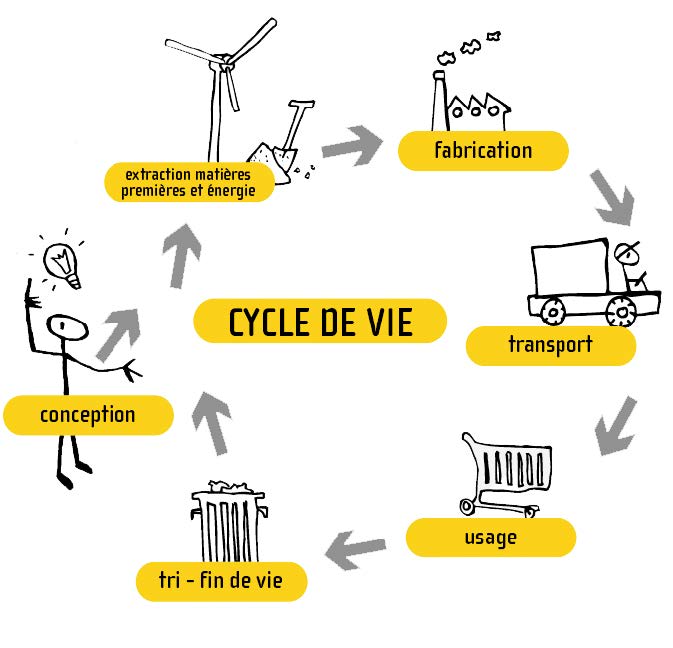
Before embarking on an electronic product decarbonisation strategy, one step is essential: identifying areas of impact.
A Life Cycle Assessment (LCA) of an electronic product makes it possible to evaluate emissions related to:
- extraction of raw materials
- component manufacturing
- international transport
- assembly
- distribution
- end of life
Without this analysis, reducing the carbon footprint of an electronic product may focus on secondary levers.
LCA enables decisions to be made objectively and prioritises actions that are truly effective.
In the case of NodOn, the analysis highlighted three priority areas: the international supply chain, packaging and plastic materials.
How do you perform a life cycle assessment (LCA)?
We can help you calculate and analyze your product’s ecological footprint using LCA.
Life cycle assessment is the starting point for understanding your product’s impact on the environment. To help you understand the ins and outs of LCA (Life Cycle Assessment), we’ve put together 14 answers that will shed some light on the subject.
Action 1: Industrial relocation
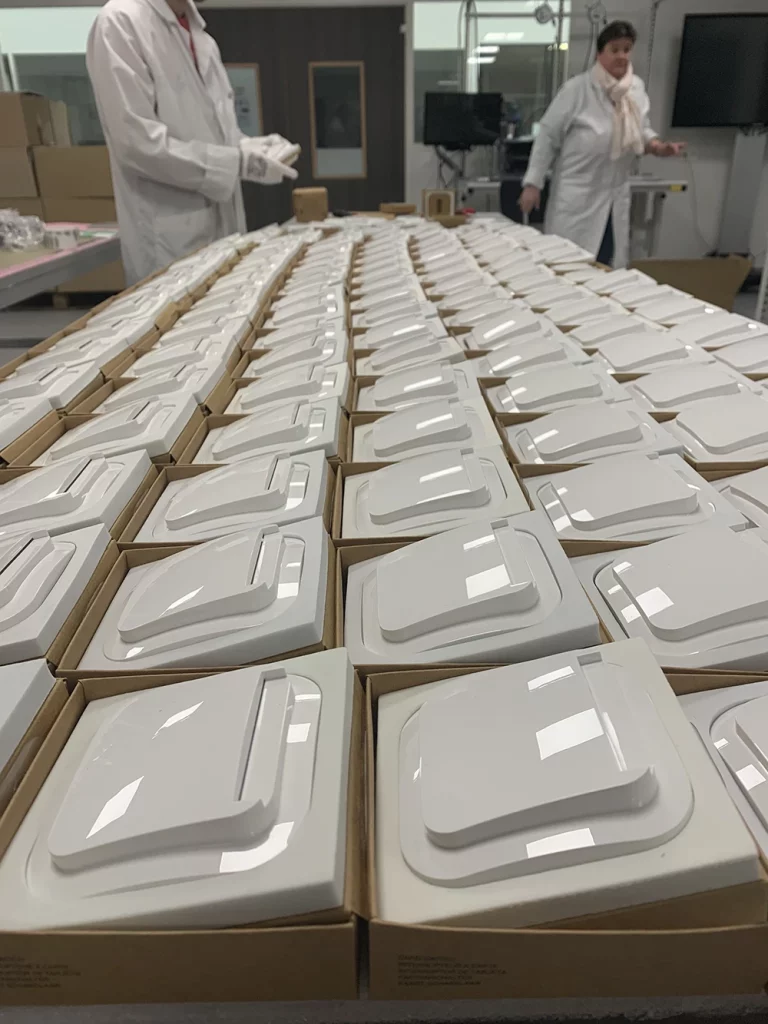
Industrial relocation is a powerful lever when it is economically and technically relevant.
In the case of NodOn, a critical point was identified in the supply chain:
The radio modules integrated into certain NodOn products were purchased and delivered in Europe.
They were then shipped to China to be integrated into the products, before the finished products were re-imported into Europe.
This dual logistics system generated an unnecessarily complex international flow that emitted CO₂.
La relocalisation de la production en France permet désormais d’intégrer ces modules directement sur le territoire, sans expédition intermédiaire vers la Chine.
Result: elimination of one complete intercontinental shipment for each product concerned. This logistical optimisation will help to avoid approximately 1.3 tonnes of CO₂ for the 10,630 products relocated in 2025.
This relocation of production to France directly contributes to reducing the product’s carbon footprint, while also providing:
- better control of the value chain
- reduction in logistical risks
- greater industrial responsiveness
Action 2 : Éco-conception packaging
Packaging is an often underestimated factor in reducing the carbon footprint of electronic products.
The first version of NodOn packaging used several materials and glued elements.
The new version is based on:
- single material (recycled cardboard)
- more compact packaging
- complete absence of glue
This simplification enables a 60% reduction in carbon emissions associated with the manufacture and end of life of packaging.

Single-material improves recyclability.
Volume reduction optimises transport.
The absence of glue simplifies end-of-life disposal.
This type of optimisation demonstrates that simplicity is often a powerful lever in eco-design.
Action 3 : intégrer du plastique recyclé dans les produits
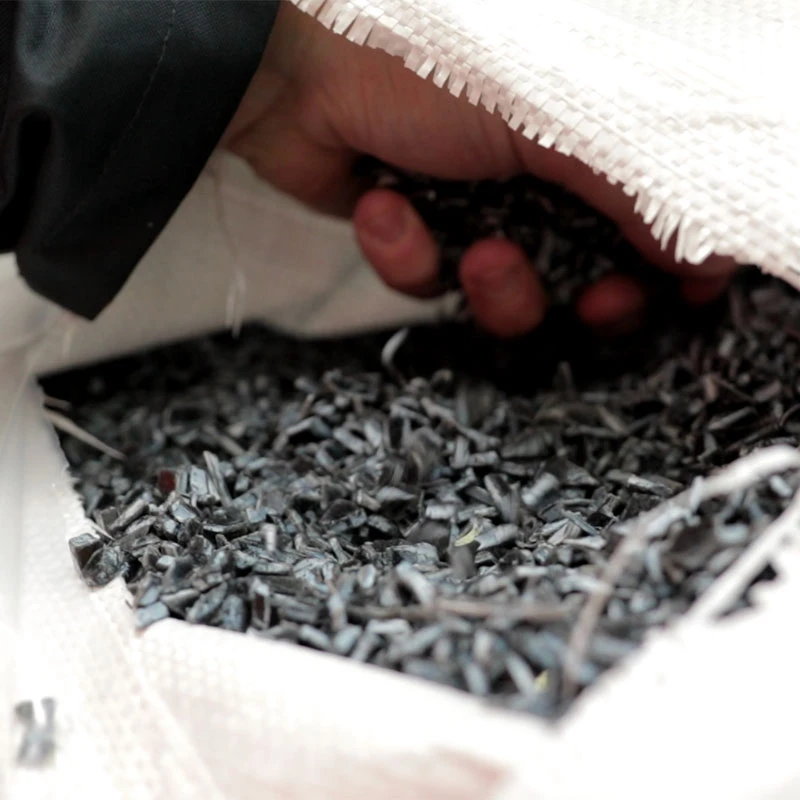
Another way to reduce the carbon footprint of electronic products is to incorporate recycled plastics.
ZigBee and EnOcean opening sensors and temperature sensors are now manufactured from recycled plastic.
This reduces the carbon footprint associated with the extraction of virgin polymers.
However, not all products can incorporate this solution.
SIN NodOn modules must comply with strict fire resistance standards, which are incompatible with certain recycled materials.
This reality illustrates a key point in the eco-design of electronic products: decarbonisation must be balanced with regulation and safety.
The approach adopted was therefore pragmatic: incorporating recycled materials where relevant and compliant.
Altyor’s expertise: transforming CSR ambitions into measurable decisions
Reducing the carbon footprint of an electronic product requires a systemic approach.
At Altyor, industrial decarbonisation is based on:
- l’analyse de la chaîne de valeur
- supply chain optimisation
- material arbitration
- overall industrial consistency
The collaboration with NodOn demonstrates that reducing the carbon footprint of electronic products is possible when the approach combines technical expertise and strategic vision.

Would you like to identify ways to reduce the carbon footprint of your products?
Industrial relocation.
Eco-design.
Supply chain optimisation.
Integration of recycled materials.
Altyor supports manufacturers and innovative SMEs in reducing the carbon footprint of their electronic products, using a comprehensive and measurable approach.
👉 Let’s discuss your impact levers